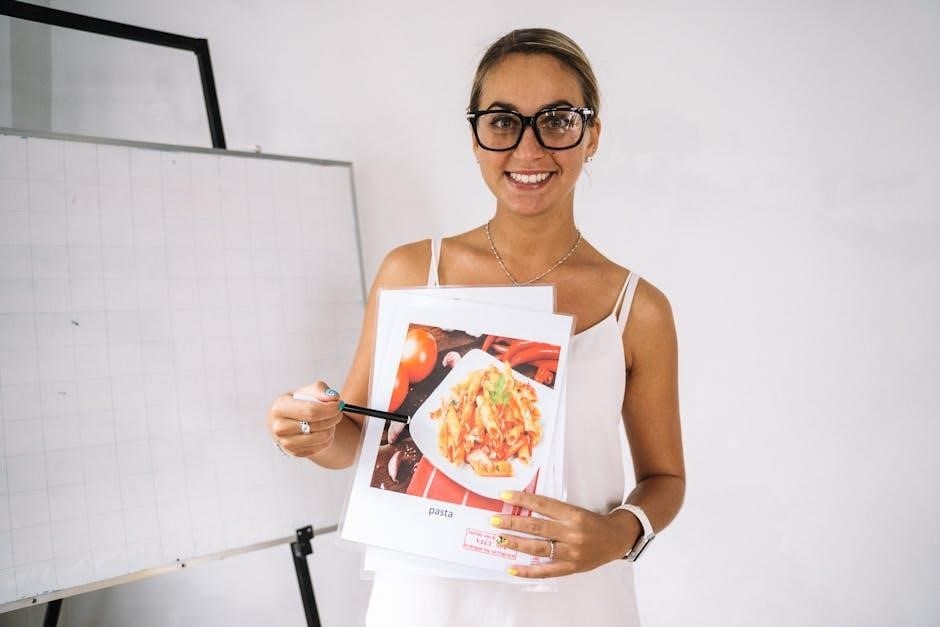
Zummos Boudin, a flavorful Cajun sausage from the Zummo Meat Company established in 1908, offers a unique culinary experience rooted in Beaumont, Texas traditions.
What is Zummos Boudin?
Zummos Boudin is a distinctive type of sausage deeply embedded in Cajun culinary heritage, expertly crafted by the Zummo Meat Company since 1908. Originating from Beaumont, Texas, it’s a harmonious blend of pork, rice, and a carefully curated selection of seasonings, all encased within a natural casing.
Unlike many sausages, Boudin isn’t typically grilled or eaten on a bun; it’s often enjoyed as a component within larger dishes or savored on its own. The texture is wonderfully moist and flavorful, a result of the rice expanding during the cooking process. While variations exist, Zummos Boudin consistently delivers a high-quality, authentic Cajun taste. It’s a staple at gatherings and a true representation of Louisiana’s rich food culture.
The History of Zummos Meat Company
Zummos Meat Company began its journey in 1908, establishing itself in Beaumont, Texas, with a commitment to producing exceptional quality sausage and boudin. For over a century, the company has remained dedicated to traditional methods, blending time-honored recipes with modern standards.
Initially a local provider, Zummos gradually expanded its reach, becoming synonymous with authentic Cajun flavors. The company’s success stems from a relentless focus on fresh ingredients and meticulous craftsmanship. They’ve consistently upheld a reputation for delivering consistently delicious products. While adapting to evolving consumer preferences, Zummos has steadfastly preserved the core values that defined its beginnings, ensuring each bite of their boudin reflects a legacy of quality and taste.
Regional Variations of Boudin
Boudin exhibits fascinating regional differences across Louisiana and Texas, reflecting diverse culinary influences. While Zummos Boudin originates from the Beaumont, TX tradition, variations abound. North Louisiana boudin often features a higher rice-to-meat ratio and a coarser grind, while Cajun country boudin leans towards a spicier profile.
Further west, you’ll find boudin with unique additions like crawfish or shrimp. Even within these regions, family recipes contribute to subtle nuances in spice blends and ingredient proportions. German influences are also present, with some variations resembling blood sausage (“Grützwurst”). Despite these differences, the core elements of pork, rice, and seasonings remain central to the boudin experience, making each regional style a delightful exploration of Cajun and Creole heritage.

Ingredients for Cooking Zummos Boudin
Zummos Boudin primarily consists of pork, rice, and expertly blended seasonings, creating a savory and satisfying experience, readily available fresh or smoked.
Types of Zummos Boudin Available
Zummos Meat Company offers a diverse selection of boudin to cater to various preferences. Their classic pork boudin remains a staple, featuring a harmonious blend of seasoned pork, rice, and Cajun spices. For those seeking a spicier kick, a jalapeno boudin variety is available, infusing heat into the traditional recipe. Seafood boudin, incorporating shrimp and other Gulf Coast delicacies, presents a unique twist on the classic.
Smoked boudin is also a popular choice, imparting a rich, smoky flavor that enhances the savory profile. Beyond these core options, Zummos frequently introduces limited-edition flavors, showcasing innovative combinations and seasonal ingredients. Whether you prefer mild, spicy, or something entirely new, Zummos Boudin provides a range of choices to satisfy every palate, ensuring a delightful culinary adventure.
Core Ingredients: Pork, Rice, and Seasonings
Zummos Boudin fundamentally relies on three key components: pork, rice, and a carefully curated blend of seasonings. High-quality pork, typically shoulder or butt, provides the rich, savory base of the sausage. Rice, traditionally long-grain, adds texture and helps bind the mixture together, absorbing the flavorful rendered pork fat.
The seasoning profile is where Zummos truly shines, employing a complex mix of Cajun spices including paprika, cayenne pepper, black pepper, garlic powder, and onion powder. These spices are expertly balanced to create a distinctive, robust flavor. Other ingredients like green onions and sometimes vegetables contribute to the overall taste and texture. The quality of each ingredient is paramount, ensuring a truly authentic and delicious boudin experience.
Spice Profiles in Zummos Boudin
Zummos Boudin boasts a dynamic spice profile, varying slightly depending on the specific variety. Generally, a foundational heat comes from cayenne pepper, balanced by the savory depth of paprika and black pepper. Garlic and onion powders provide aromatic complexity, creating a robust and inviting flavor.
However, Zummos often incorporates unique seasoning blends, potentially including white pepper, or even a touch of allspice for subtle sweetness. The precise ratios are a closely guarded secret, contributing to the sausage’s distinctive taste. This careful calibration ensures a harmonious blend of heat, savory notes, and aromatic spices, delivering a truly authentic Cajun experience with every bite. The spice level can range from mild to quite spicy!
Preparing Zummos Boudin for Cooking
Zummos Boudin preparation involves thawing if frozen, optional casing removal, and slicing or crumbling to suit your chosen cooking method for optimal results.
Thawing Frozen Boudin
Thawing Zummos Boudin safely is crucial for maintaining its texture and flavor. The recommended method is to transfer the frozen boudin from the freezer to the refrigerator and allow it to thaw slowly overnight. This gradual thawing process helps prevent the boudin from becoming mushy or losing its distinct consistency.
Avoid thawing boudin at room temperature, as this can create a breeding ground for bacteria. If you’re short on time, you can use the cold water method: place the sealed boudin package in a bowl of cold water, changing the water every 30 minutes until fully thawed.
Never refreeze boudin that has been thawed. Once thawed, it should be cooked immediately or stored in the refrigerator for no more than one to two days. Proper thawing ensures a delicious and safe culinary experience with Zummos Boudin.
Removing the Casing (Optional)
Removing the casing from Zummos Boudin is entirely optional and depends on your cooking method and personal preference. The casing, typically a natural pork or beef casing, provides a slight snap and helps the boudin hold its shape during cooking. However, some cooks prefer to remove it for a softer texture.
To remove the casing, carefully slice it lengthwise along the boudin link with a sharp knife. Gently peel the casing away from the sausage meat. If the casing is stubborn, blanching the boudin briefly in hot water can make it easier to remove.
Keep in mind that removing the casing may cause the boudin to crumble more easily, especially during frying or grilling. If you choose to leave the casing on, ensure it’s scored to prevent bursting during cooking.
Slicing or Crumbling the Boudin
Whether to slice or crumble your Zummos Boudin depends on the recipe and desired texture. For dishes like jambalaya or fried rice, crumbling the boudin distributes the flavor evenly throughout the meal. Simply break apart the boudin with your fingers or a fork into small, bite-sized pieces.
If you’re pan-frying or grilling, slicing the boudin into ¼ to ½ inch thick rounds is recommended. This creates appealing presentation and allows for even cooking. Ensure your knife is sharp for clean cuts, especially if the casing remains intact.
Consider the cooking time when deciding on size; smaller pieces cook faster. Pre-slicing or crumbling also speeds up meal preparation.
Cooking Methods for Zummos Boudin
Zummos Boudin adapts beautifully to various cooking techniques: pan-frying for crispiness, boiling for tenderness, grilling for smoky flavor, and baking for convenience.
Pan-Frying Zummos Boudin
Pan-frying is a fantastic method to achieve a delightfully crispy exterior on your Zummos Boudin. Begin by slicing the boudin into approximately ½-inch thick rounds, or alternatively, crumble it for a different texture. Heat a tablespoon of oil – olive oil works wonderfully – in a skillet over medium-low heat.
Carefully add the boudin to the hot skillet, ensuring not to overcrowd it; work in batches if necessary. Cook for roughly 6-8 minutes, flipping occasionally, until each side develops a beautiful golden-brown crust. The lower heat prevents the casing from bursting and ensures the inside heats through.
For enhanced flavor, consider adding finely chopped onions or bell peppers to the skillet during the last few minutes of cooking. This method is quick, easy, and delivers a satisfyingly textured and flavorful result, perfect as a standalone snack or component of a larger meal.

Boiling Zummos Boudin
Boiling is a traditional and straightforward method for preparing Zummos Boudin, ensuring it’s thoroughly heated and ready to enjoy. Fill a large pot with enough water to completely submerge the boudin links. Bring the water to a rolling boil, then gently add the boudin.
Reduce the heat to medium and allow the boudin to simmer for approximately 20-25 minutes. This ensures the interior reaches a safe temperature and the flavors meld beautifully. Avoid overcrowding the pot to maintain consistent cooking.
Once boiled, the boudin can be served immediately, or lightly browned in a skillet for added texture. Boiling is particularly useful when preparing boudin for use in dishes like jambalaya or étouffée, as it pre-cooks the sausage, streamlining the overall recipe process.
Grilling Zummos Boudin
Grilling Zummos Boudin imparts a delightful smoky flavor and slightly crispy texture, elevating this Cajun classic. Preheat your grill to medium heat, ensuring the grates are clean and lightly oiled to prevent sticking. Place the boudin links directly onto the grill, turning frequently – every 3-5 minutes – to ensure even cooking.
Grill for approximately 15-20 minutes, or until the internal temperature reaches 165°F (74°C). The casing should be nicely browned and slightly blistered. Be mindful of flare-ups from rendered fat; move the boudin to a cooler part of the grill if necessary.
Grilled boudin is fantastic served on its own with mustard, or sliced and added to po’boys or salads. The char from the grill complements the savory spices within the boudin beautifully.
Baking Zummos Boudin
Baking Zummos Boudin offers a convenient and hands-off cooking method, resulting in evenly heated and flavorful sausage. Preheat your oven to 350°F (175°C). Place the boudin links in a single layer in a baking dish, ensuring they aren’t overcrowded. Adding a splash of water to the bottom of the dish helps retain moisture.
Bake for 25-30 minutes, flipping the links halfway through, until the internal temperature reaches 165°F (74°C). The casing will become firm and slightly browned. This method is ideal for cooking larger quantities of boudin simultaneously.
Baked boudin pairs wonderfully with roasted vegetables or a hearty side of rice. It’s a simple way to enjoy the authentic taste of Zummos Boudin.
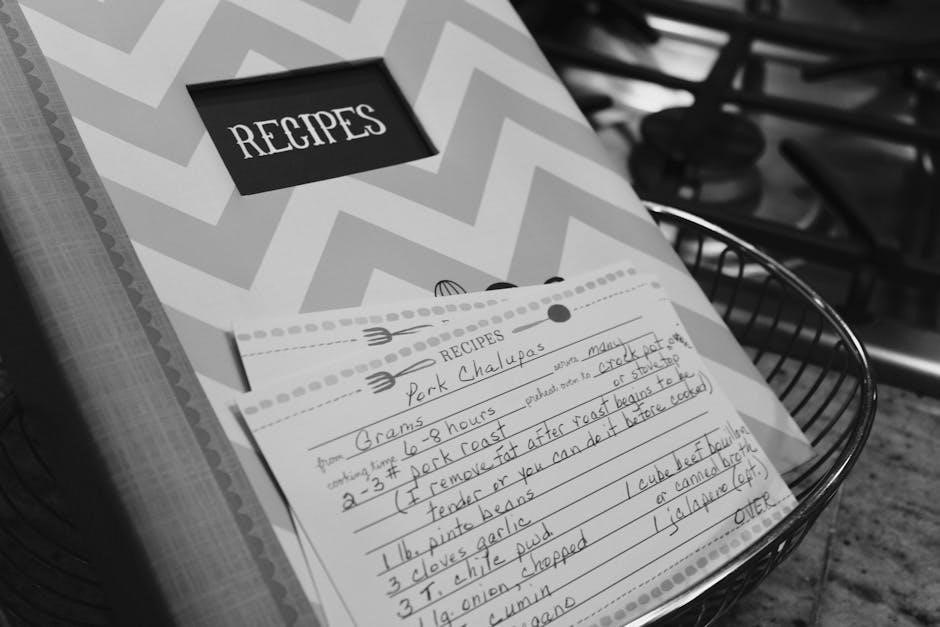
Zummos Boudin Recipes
Zummos Boudin elevates classic dishes! Explore exciting recipes like Jambalaya and Fried Rice, showcasing the sausage’s versatility and rich Cajun flavors in every bite.
Boudin Jambalaya

Zummos Boudin Jambalaya is a delightful one-pot wonder, blending Cajun flavors into a hearty and satisfying meal. Begin by browning sliced Zummos Boudin in a large pot, then add the “holy trinity” – onions, bell peppers, and celery – sautéing until softened. Incorporate diced chicken and shrimp, cooking until nearly done.
Next, introduce long-grain rice, stirring to coat it in the flavorful mixture. Pour in chicken broth, ensuring it covers the rice and ingredients. Season generously with Cajun spices, reflecting the region’s bold taste. Bring to a boil, then reduce heat and simmer, covered, until the rice is tender and the liquid is absorbed.
Allow the Jambalaya to rest for a few minutes before serving, allowing the flavors to meld beautifully. This recipe is a testament to the versatility of Zummos Boudin!
Boudin Fried Rice
Zummos Boudin Fried Rice elevates a classic dish with a smoky, savory Cajun twist. Start by crumbling pre-cooked Zummos Boudin and setting it aside. In a wok or large skillet, stir-fry diced vegetables – carrots, peas, and onions – until tender-crisp. Add cooked rice, breaking it up as you stir-fry.
Introduce the crumbled Boudin, ensuring it’s evenly distributed throughout the rice. Drizzle with soy sauce and a touch of olive oil for added richness and flavor. Continue stir-frying until everything is heated through and slightly browned.
For an extra layer of flavor, consider adding a scrambled egg during the final minutes of cooking. Serve immediately, garnished with chopped green onions. This quick and easy recipe showcases the deliciousness of Zummos Boudin!
Boudin Stuffed Peppers
Zummos Boudin Stuffed Peppers offer a delightful fusion of Cajun flavors and comforting familiarity. Begin by halving bell peppers (any color) and removing the seeds and membranes. Prepare a flavorful filling by combining crumbled, pre-cooked Zummos Boudin with cooked rice, diced onions, and your favorite Cajun seasonings.
Carefully stuff the pepper halves with the Boudin mixture, packing it in firmly. Arrange the stuffed peppers in a baking dish and cover with a simple tomato sauce or a sprinkle of cheese.
Bake in a preheated oven at 375°F (190°C) for approximately 20-25 minutes, or until the peppers are tender and the filling is heated through. Garnish with fresh parsley before serving for a vibrant presentation.
Serving and Accompaniments
Zummos Boudin pairs wonderfully with traditional Cajun sides like rice, potatoes, and a crisp green salad, enhancing the overall dining experience.
Traditional Cajun Sides
Zummos Boudin truly shines when accompanied by classic Cajun side dishes, creating a complete and satisfying meal. Fluffy white rice is a staple, perfectly absorbing the flavorful rendered fat from the boudin. Red beans and rice, a Louisiana favorite, offer a hearty and complementary texture. Potato salad, often with a Creole mustard base, provides a cool and tangy contrast to the spicy sausage.
Don’t overlook the simple pleasures of a side of coleslaw, offering a refreshing crunch. Green beans, seasoned with Cajun spices, add a vibrant vegetable element. And for a touch of sweetness, consider a side of cornbread, ideal for soaking up every last bit of flavor. These sides elevate the Zummos Boudin experience, honoring its Cajun heritage.
Sauces and Condiments for Boudin
Zummos Boudin’s rich flavor profile benefits greatly from thoughtfully chosen sauces and condiments. Creole mustard, with its tangy and slightly spicy kick, is a classic pairing, cutting through the richness of the sausage; Hot sauce, ranging from mild to fiery, allows for personalized heat levels, enhancing the Cajun experience.
Remoulade, a creamy Creole sauce, adds a cool and complex dimension. Pickled onions or jalapeños provide a bright, acidic counterpoint. A simple drizzle of vinegar can also brighten the flavors. For those who enjoy a touch of sweetness, a side of pepper jelly complements the savory boudin beautifully. Experimenting with these additions elevates Zummos Boudin to new heights.
Beverage Pairings with Boudin
Zummos Boudin, with its savory and often spicy character, pairs wonderfully with a variety of beverages. A crisp, light-bodied lager is a classic choice, its carbonation cutting through the richness of the sausage. For those preferring wine, a dry Riesling or Gewürztraminer offers aromatic complexity and a slight sweetness that complements the boudin’s flavors.
Iced tea, particularly a Southern-style sweet tea, provides a refreshing contrast. Root beer, with its unique spice profile, can also be a surprisingly good match. If you enjoy a bolder beverage, a robust amber ale or even a light-bodied red wine like Beaujolais can enhance the experience. Ultimately, the best pairing depends on your personal preference and the specific spice level of the Zummos Boudin.
Safety and Storage
Zummos Boudin requires careful handling; keep raw boudin refrigerated, cook thoroughly, and promptly store leftovers to prevent spoilage and ensure food safety.
Proper Handling of Raw Boudin
Zummos Boudin, being a meat product, demands strict adherence to food safety guidelines from the moment it leaves refrigeration. Always maintain raw boudin at a temperature below 40°F (4°C) to inhibit bacterial growth. When transporting, utilize insulated coolers with ice packs, especially during warmer months.
Avoid cross-contamination by using separate cutting boards and utensils for raw boudin and other foods. Thoroughly wash hands with soap and warm water before and after handling. Inspect the boudin for any unusual odors or discoloration, which could indicate spoilage. If any concerns arise, discard the product immediately. Proper handling is crucial for a safe and enjoyable culinary experience with Zummos Boudin.
Storing Leftover Cooked Boudin
Zummos Boudin, once cooked, requires prompt and proper storage to maintain quality and prevent foodborne illness. Allow the boudin to cool to room temperature – but no longer than two hours – before refrigerating. Transfer leftovers to airtight containers to minimize exposure to air and potential contaminants.
Refrigerated cooked boudin is best consumed within 3-4 days. For longer storage, freezing is recommended. Properly packaged, frozen cooked boudin can retain its quality for up to 2-3 months. When reheating, ensure the boudin reaches an internal temperature of 165°F (74°C) to eliminate any potential bacteria. Enjoy your Zummos Boudin safely!
Freezing Zummos Boudin
Zummos Boudin freezes remarkably well, making it a convenient option for enjoying this Cajun delicacy at a later time. For optimal results, wrap the boudin tightly in plastic wrap, ensuring all air is removed to prevent freezer burn. Follow this with a layer of aluminum foil or place the wrapped boudin inside a freezer-safe bag.
Properly frozen, Zummos Boudin can maintain its quality for up to two to three months. When ready to use, thaw the boudin overnight in the refrigerator. Avoid thawing at room temperature. Once thawed, consume within a few days. Freezing doesn’t significantly alter the texture, but may slightly impact the casing.
Troubleshooting Common Issues
Zummos Boudin can sometimes be dry, greasy, or lack flavor; adjusting cooking time, fat content, or seasoning levels can easily resolve these common problems.
Boudin is Too Dry
If your Zummos Boudin appears dry after cooking, several adjustments can be made to improve the moisture content. Firstly, ensure you aren’t overcooking it; boudin benefits from gentle heat and shorter cooking times. Consider adding a small amount of liquid – chicken broth or water – during the cooking process, especially when pan-frying or baking.
This creates steam, helping to retain moisture within the sausage. Another technique involves wrapping the boudin in foil during baking to trap moisture. If boiling, avoid prolonged simmering. Finally, remember that different batches can vary; a slightly drier boudin might simply require a richer sauce or accompaniment to balance the texture and enhance the overall flavor profile.
Boudin is Too Greasy
Should your Zummos Boudin release an excessive amount of grease during cooking, several methods can help mitigate this. Begin by ensuring you aren’t cooking at too high a temperature; medium-low heat encourages rendering without excessive oil release. After cooking, briefly drain the boudin on paper towels to absorb surface grease.
If pan-frying, consider using a non-stick skillet to minimize the need for added oil. When boiling, skimming off any visible fat from the surface of the water can also help. Remember that boudin naturally contains some fat, contributing to its flavor, but excessive greasiness can be reduced with careful cooking techniques and proper draining post-cooking.
Boudin Lacks Flavor
If your Zummos Boudin seems to be lacking its characteristic Cajun zest, consider enhancing the flavor during the cooking process. While Zummos Boudin is pre-seasoned, adding complementary spices can elevate the taste. A pinch of cayenne pepper, paprika, or even a dash of Creole seasoning can provide an extra kick.
When incorporating boudin into recipes like jambalaya or fried rice, ensure other ingredients are well-seasoned to balance the flavors. Serving with flavorful sauces, such as a spicy mustard or remoulade, can also compensate for a milder boudin batch. Remember, taste-testing throughout the cooking process allows for adjustments and a more satisfying final result.